
Modules 1–17 Overview
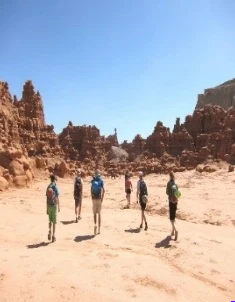
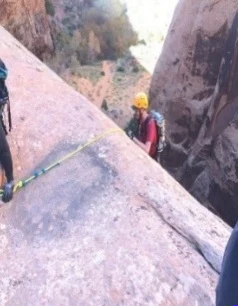
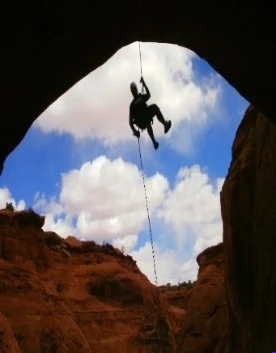
Before the knots, devices, and rappels comes the part that matters even more: learning how to think in a canyon.
Before you touch a rope, tie a knot, or step backward over your first rappel, you need to understand what canyoneering really is—and just as importantly, what it is not.
This unit is intentionally placed before the technical material. You are not going to learn all the gear, knots, rigging systems, and rappel procedures from the get-go. That comes in Unit 2.
First, I want you to understand the environment, the risks, the culture, the team dynamics, and the decisions that happen before anybody clips into a rope. Welcome to Unit 1.
“The question at the beginning of Unit 1 is simple: ‘Is canyoneering something you want to pursue after knowing it is inherently risky?’”
UNIT 1 OVERVIEW | The Basics
What You Will Learn:
Unit 1 Foundation
• Safety first—and why that rule comes before everything else.
• How to make objective decisions instead of optimistic ones.
• Weather, flash floods, water, heat, cold, and environmental hazards.
• Canyon ethics, Leave No Trace, and protecting access.
• The language and terminology canyoneers actually use.
• Why canyoneering is a team sport, not just the role of one individual.
• How access, land type, beta, regions, and canyon ratings affect your plan.
• What different slot canyons can realistically look and feel like.
A beginner mistake is thinking canyoneering starts with buying a harness and learning a few knots. It does not. The technical skills are important, but they only work when the person using them is making good decisions.
Flash floods can arrive quickly. Anchors can change. Falling water levels can turn a swim-through pothole into a keeper with an exposed exit lip. Rising water can add current, cold exposure, or debris. A canyon that felt easy to one group may feel completely different to another. The beta may be old, the weather may change, and someone in your group may move much slower than expected.
That is why you will hear me say “it depends” throughout this book. I have been saying it for years, and it is still one of the most honest answers in canyoneering.
Three Ideas You Will See Again and Again:
The Mindset
• Preparation over impulse.
• Respect and adaptability over excessive-confidence.
• Teamwork over individualism.
None of that sounds as exciting as a 200-foot rappel. But, these habits also help you come home.
“The canyon does not care about you or your plans.”
That line is not meant to scare you. It is meant to remind you that a canyon is not an amusement ride with guaranteed conditions, installed handrails, and Search and Rescue (SAR) waiting around the corner if something goes wrong.
The goal of Unit 1 is awareness—not fear.
With the right preparation, the right group, and the right mindset, canyoneering can be one of the most rewarding outdoor experiences out there. You will see places most people never see, solve unique geographical problems with your team, push yourself physically and mentally, and probably come home thinking about the next canyon before your gear is even dry.
Be Honest with Yourself
As you work through Modules 1–17, keep asking yourself a few simple questions:
Do I enjoy solving problems when the answer is not obvious?
Am I willing to prepare thoroughly instead of just hoping things work out?
Can I speak up when something feels wrong—even if somebody else in the group has more experience?
Can I work as part of a team where everybody’s safety matters?
Am I willing to keep learning instead of assuming I have “figured it out”?
If the answer is yes, there is a pretty good chance you are going to get bitten by the canyoneering bug. You will want to learn more, travel farther, become more efficient, and eventually explore canyons you never imagined yourself doing.
If the answer is no—or not yet—that is okay too.
“The canyons will always be there. The goal is to make sure you are too.”